BERLIN (Reuters) -German pharma company Bayer reported positive study results for its anticoagulant asundexian on Sunday, two years after a research setback for the promising blood thinner candidate.
In a Phase III study, a daily dose of 50 milligrams significantly reduced the risk of ischemic stroke compared with a placebo, Bayer said.
Detailed results from the OCEANIC-STROKE study will be presented at an upcoming scientific congress, said Bayer.
Bayer added that it plans to speak with health authorities worldwide in preparation for the submission of marketing authorisation applications.
Bayer had originally predicted that asundexian would have peak sales potential of more than 5 billion euros ($5.76 billion) - more than any of its other drugs.
At the end of 2023, the company had a major setback with the drug after it failed in a pivotal clinical trial involving patients with atrial fibrillation and a risk of stroke.
($1 = 0.8687 euros)
(Reporting by Joern Poltz. Writing by Miranda Murray. Editing by Jane Merriman)
LATEST POSTS
- 1
 How will the universe end?
 - 2IDF bans Android phones for senior officers, iPhones now mandatory, Army Radio reports
- 3Defense Minister Katz moves to extend IDF service to 36 months
- 4Shah Capital pushes for Novavax sale, warns of proxy fight
- 5Vial marked 'Polonium 210' sparks scare during German Easter egg hunt



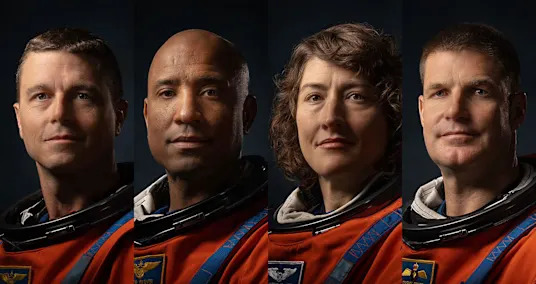
- These four astronauts could soon travel farther from Earth than anyone has gone before
- ‘We are the alternative’: Anti-Hamas Gaza militia tells BBC group is receiving international support
- Dave Coulier shares new cancer diagnosis 1 year after revealing previous diagnosis
- 5 Superstar Couples That Motivate Relationship Objectives
- Step by step instructions to Pick the Ideal Authorize Internet Advertising Degree Program
- Thousands of New York City nurses set to strike Monday if deal isn't reached with hospitals
- Zelensky sees win for Ukraine as EU finally reaches funding deal
- Health Rounds: Regeneron drug wipes out residual multiple myeloma cells in small trial
- I took my shoes off and went for a barefoot hike. I couldn’t believe what happened next