The deepening energy crisis triggered by the US-Israel war with Iran has thrust energy security back onto the political stage in European countries — and widened fault lines along with it.
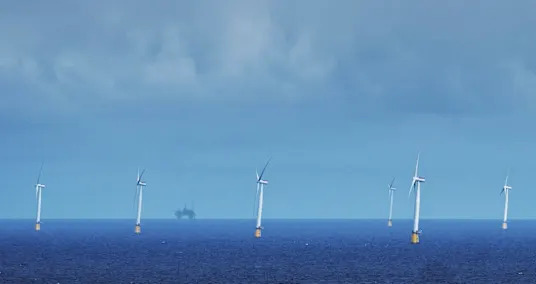
In the UK — which is particularly vulnerable because of its imports of gas, and which suffered hefty price rises following Russia’s 2022 invasion of Ukraine — attention this time has shifted from diversifying supply away from single countries to a broader push to move beyond fossil fuels, said Annabel Rice, a senior political adviser at the Green Alliance, a London-based think tank. Or at least, that’s the takeaway the governing Labour Party seems to have settled on, casting renewables as more insulated to oil price shocks.
France is similarly leaning towards reducing reliance on hydrocarbons. The country’s prime minister has tasked his cabinet with identifying priority actions to electrify the economy. Others in Europe, such as Italy, have so far opted to double down on fossil fuels to cushion the blow from surging electricity bills. The UK’s opposition Conservative Party is pitching a similar idea, launching a “Get Britain Drilling” campaign this week, pressing to reverse the country’s ban on North Sea oil and gas licenses and claiming it would cut bills significantly.




 Audits of the Top Science fiction Movies This Year
- Reactions as Artemis II astronauts lift off on historic lunar mission
- 4 Excellent Remote Headphones of 2024
- Sexual violence is being used as a weapon in Sudan's war, doctors group says
- NASA's make-or-break moon shot
- Last Christmas, 3 million viewers watched a Chiefs love story — will Bills fans fall just as hard this year?
- Trump awarded 1st FIFA Peace Prize by Gianni Infantino at 2026 World Cup draw
- Figure out How to Introduce Sunlight powered chargers on Your Rooftop securely
- ISS astronaut snaps stunning nighttime photo of Florida and Cuba | Space photo of the day for Dec. 29, 2025